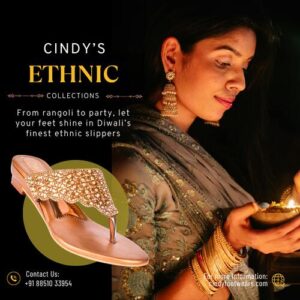
What do our feet say about us? More than just a body part, they symbolize humility, reverence, and even romance. Across cultures, touching or worshipping feet signifies deep respect—whether seeking blessings, showing devotion, or asking for forgiveness. Poets have cherished the beauty of their beloved’s feet, inspiring the creation of footwear not just for protection but as a reflection of culture and craftsmanship.
Ethnic chappals hold a special place in India’s heritage, crafted from leather, jute, or eco-friendly materials. From South India’s intricately woven Padukas to Punjab’s embroidered Peshawari chappals and Maharashtra’s sturdy Kolhapuris, each region blends comfort with artistry. These handcrafted sandals are more than fashion—they celebrate tradition, sustainability, and craftsmanship. Once a necessity, they have evolved into style statements, gracing runways and modern wardrobes.
Let’s take a journey through the fascinating history of ethnic chappals—tracing their roots from ancient beginnings to their revival as a contemporary trend with Cindy Footwears a top wholesale vendor for women’s ethnic slippers in India.
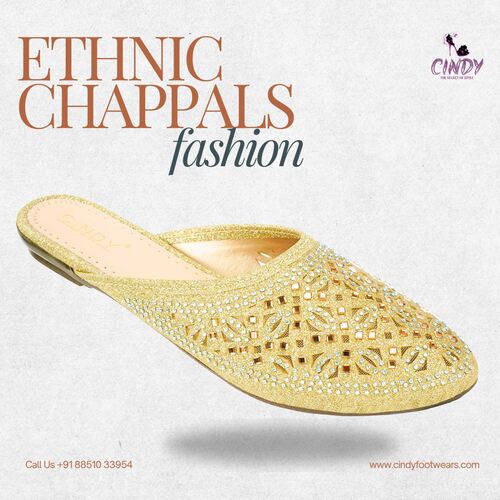
What are Ethnic Chappals and why are they called so?
Ethnic chappals are inspired by the culture and heritage of different regions. They showcase traditional craftsmanship, intricate embroidery, and local materials. Passed down through generations, each era adds its own touch. “Ethnic” refers to a group’s cultural identity, and ethnic chappals reflect unique designs, patterns, and materials from specific communities or regions.
Ethnic Chappals: From Past to Present
Paduka: Ethnic chappals in India have a rich history that dates back thousands of years, evolving from the earliest known footwear—the Paduka. The Paduka, an open-toe sandal with a single toe-knob, was worn by sages, monks, and even royalty in ancient times. Crafted from wood, ivory, silver, or even jade, these sandals weren’t just functional; they held deep cultural and spiritual significance.
Legend has it that Lord Rama’s Padukas were placed on the throne of Ayodhya during his exile, symbolizing his presence. Over time, these simple yet elegant sandals inspired various regional chappal designs, from the Kolhapuris of Maharashtra to the Peshawaris of the North. Even today, Padukas remain a timeless ethnic fashion statement, often paired with sherwanis and traditional attire, blending history with modern style.
Jutits: One of Punjab’s most exquisite footwear, Juttis, has a rich Mughal-era heritage. Once worn by royals, they were made from fine leather and adorned with gold, silver threads, and jewels. Over time, Juttis evolved into a fashion staple, now available in styles like Salim Shahi and Kasuri. Modern versions use fabric, mirrors, and beads, blending tradition with contemporary trends.
Mojaris: Mojaris, also known as Khussas, originated in the Mughal era, designed for kings and nobles. Traditionally fashioned from fine buffalo or camel hide, they featured intricate embroidery, precious stones, and zari work. Over time, they evolved with new materials like silk and velvet. Today, Mojaris blend heritage with modern style, making them a timeless symbol of elegance.
Kolhapuri Chappals: Kolhapuri chappals, dating back to the 13th century, have evolved from traditional footwear into a timeless fashion icon. Originally called “Kanwali” for their side flaps, they were handcrafted from tanned leather with intricate detailing. Modern versions feature gold cords, zari, and embellishments, making them a stylish choice for weddings and festive occasions while preserving their rich heritage.
Their versatility allows them to be worn in both summer and winter. While authentic Kolhapuris are made from pure leather, contemporary versions often use processed leather with rubber soles, catering to fashion-conscious buyers seeking both tradition and comfort.
Peshawari Chappal: Once a durable leather-and-rubber shoe built for rugged terrains, the Peshawari chappal has evolved into a timeless icon of Pashtun identity and style. While its classic rounded shape endures, modern variations feature new materials and bold designs like the squared “T-shape,” blending tradition with contemporary fashion to keep this cultural staple both relevant and adaptable.
Pula Chappals: Pula chappals, traditional grass slippers of Himachal Pradesh, evolved from purely handmade footwear crafted by local artisans using dried grass and wool. Initially worn by villagers for comfort and warmth, they are now stylish ethnic wear. Modern versions incorporate synthetic materials and embroidery, blending tradition with contemporary fashion trends.
Ethnic Chappals—Today’s Fashion Statement
Now, you can step into style with ethnic chappals like Kolhapuris and juttis, which have transitioned from traditional footwear to trendy fashion must-haves. These versatile beauties effortlessly blend with both ethnic and modern outfits, making them a go-to choice in many wardrobes. Indian juttis have even caught global attention, with designers incorporating traditional craftsmanship and modern aesthetics to appeal to fashion lovers worldwide.
Plus, the rise of sustainable versions made from faux leather and eco-friendly fabrics is a win for eco-conscious shoppers. These stylish chappals have also become an integral part of the film fraternity. No longer reserved just for special occasions, they are now a comfortable and chic choice for everyday wear, adding a touch of tradition to your modern look!
Conclusion
Last but not least, ethnic chappals have journeyed from humble origins to global fashion icons. From Padukas to Kolhapuris, Juttis to Mojaris, and, Pulas these handcrafted marvels celebrate heritage, craftsmanship, and sustainability. Blending tradition with modern trends, they remain timeless, proving that true style is rooted in culture, comfort, and elegance.

Ms. Shradha Wadhwa is the dynamic and young entrepreneur of Cindy Footwears. Cindy Footwears is a top-notch Indian footwear wholesaler and supplier that facilitates footwear fashion and retail needs for every shoe retailer in India and abroad. Cindy holds all the expertise and experience needed to help footwear retailers create a niche for themselves in their respective markets. Cindy Footwear’s unique design and manufacturing capabilities enable the organization to offer tailored and seamless solutions to anyone looking to purchase shoes in large quantities.