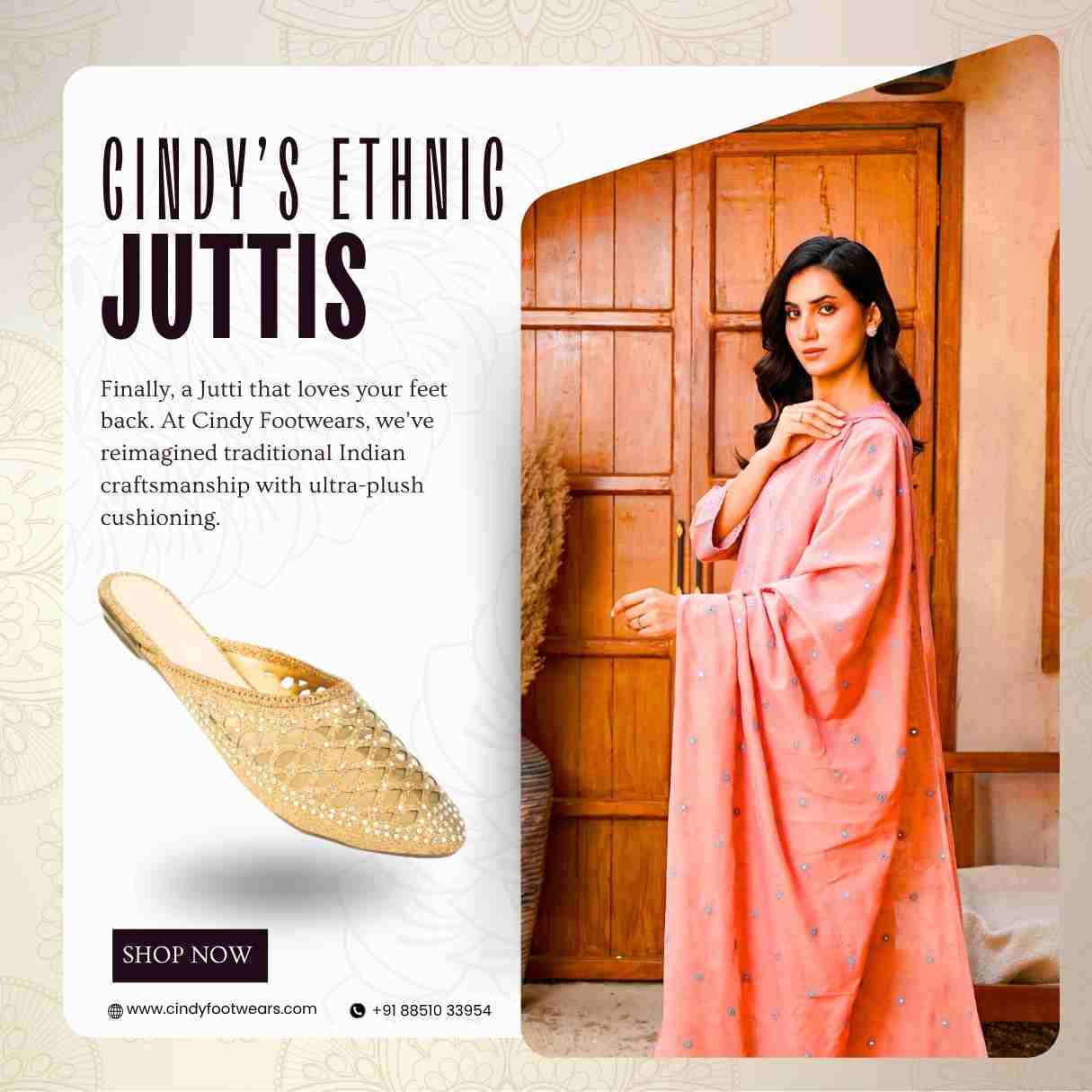
Ethnic Trendy Juttis Collection Cindy Footwear
Summary
- Juttis have evolved from traditional ethnic footwear into a modern fashion statement, blending heritage craftsmanship with contemporary design.
- Their versatility allows them to transition seamlessly from festive wear to everyday outfits, making them relevant across different styles and occasions.
- The rise of comfort-focused fashion, sustainable choices, and social media influence has turned juttis into a trendy, widely talked-about accessory.
Juttis have quietly moved from being traditional footwear reserved for weddings and festive wear to becoming a statement piece in everyday fashion. Once rooted deeply in cultural identity, they’ve now found a place in modern wardrobes—paired with everything from sarees to denim. The transformation isn’t accidental. Designers, influencers, and conscious consumers have all played a role in redefining juttis as both stylish and versatile, shares Cindy Footwears, a leading women’s footwear brand and one of the top shoe wholesalers and suppliers in India.
How did juttis evolve from traditional footwear to a fashion trend?
The shift happened when tradition met experimentation. Originally handcrafted with intricate embroidery and worn primarily with ethnic outfits, juttis began to change as designers started reimagining them. New colors, contemporary patterns, quirky motifs, and even fusion materials gave them a fresh identity.
At the same time, fashion trends began leaning toward comfort and individuality. People wanted something that stood out but didn’t compromise on ease. Juttis fit that gap perfectly—they carried heritage but didn’t feel outdated. Social media further amplified this shift, turning them into a visible and desirable trend rather than just a cultural staple.
Ms. Shradha Wadhwa, CEO of Cindy Footwear “Juttis prove that true style isn’t about replacing tradition—it’s about reimagining it for the present.”
From Weddings to Everyday Wear
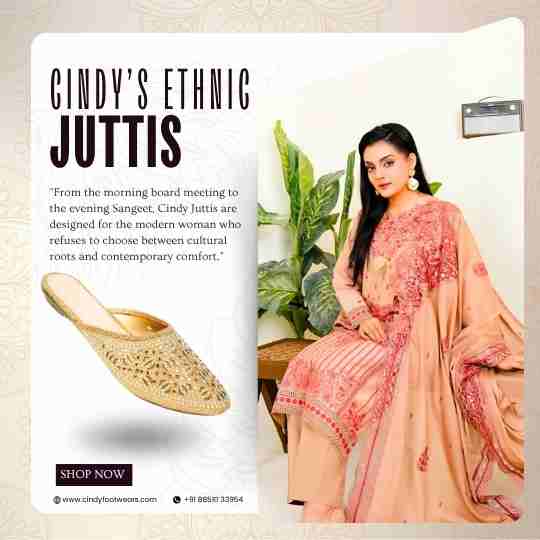
Juttis are no longer confined to bridal trousseaus or festive occasions. They’ve become a go-to choice for casual outings, office wear, and even travel. Paired with jeans, dresses, or co-ord sets, they add a subtle ethnic touch without making the outfit feel heavy.
This adaptability is what makes them trendy—they don’t demand a full ethnic look but enhance whatever you’re already wearing.
Designs That Are Driving the Trend
Modern juttis are far from uniform. Some lean into minimalism with solid tones and clean finishes, while others go bold with mirror work, thread embroidery, digital prints, or even personalized text.
What’s catching attention today are pieces that blend tradition with a playful twist—think florals on neutral bases, pastel tones instead of loud golds, or unexpected themes like pop culture references. These designs make juttis feel current rather than conventional.
Comfort Meets Craftsmanship
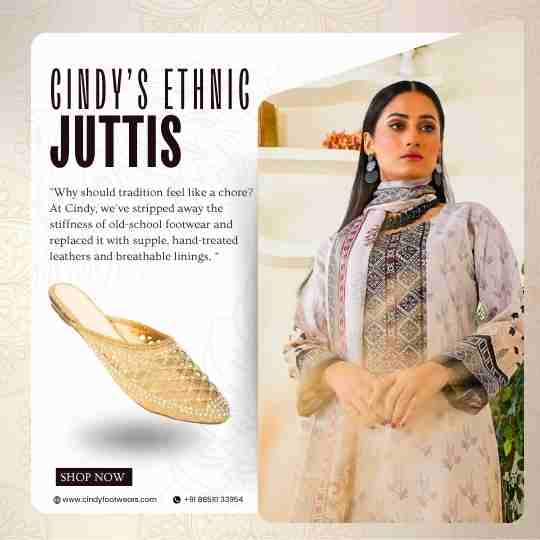
One of the biggest reasons behind the growing popularity of juttis is comfort. Unlike heels or structured shoes, they offer ease without sacrificing style. Many brands now include cushioned soles and softer linings, making them suitable for long wear.
At the same time, their handcrafted nature adds value. Each pair often reflects the skill of artisans, making them feel more personal and meaningful compared to mass-produced footwear.
Sustainability and Slow Fashion Appeal
Juttis naturally align with the growing preference for sustainable fashion. Being handmade and often produced in small batches, they support traditional craftsmanship and reduce reliance on fast fashion cycles.
For buyers, this adds another layer of appeal—wearing something that not only looks good but also contributes to preserving heritage.
The Influence of Social Media and Styling Culture
Fashion influencers and content creators have played a major role in making juttis trendy. Styling them with unexpected outfits—like oversized shirts, jumpsuits, or even western formal wear—has helped break stereotypes.
This visibility has turned juttis into a conversation piece rather than just an accessory, making them relevant to a younger, style-conscious audience.
Juttis today are more than just ethnic footwear—they represent a blend of culture, comfort, and contemporary style. Their ability to adapt to changing fashion while holding onto their roots is what keeps them in demand.
What was once considered traditional is now effortlessly trendy, proving that style doesn’t always need reinvention—sometimes, it just needs a fresh perspective.

Ms. Shradha Wadhwa is the dynamic and young entrepreneur of Cindy Footwears. Cindy Footwears is a top-notch Indian footwear wholesaler and supplier that facilitates footwear fashion and retail needs for every shoe retailer in India and abroad. Cindy holds all the expertise and experience needed to help footwear retailers create a niche for themselves in their respective markets. Cindy Footwear’s unique design and manufacturing capabilities enable the organization to offer tailored and seamless solutions to anyone looking to purchase shoes in large quantities.